
Noida, Oct 16: Spinal problems are no longer limited to older adults, with young people increasingly experiencing these conditions. Prolonged use of mobile phones and laptops, poor posture, lack of physical activity, and rising body weight are contributing to neck and back pain. If left unaddressed, these problems can progress into conditions such as slipped discs, cervical spondylosis, lumbar spondylosis, and sciatica. According to neurosurgery specialists at Yatharth Super Speciality Hospital, most patients can find relief through medication, physiotherapy, and lifestyle modifications, although surgery may be necessary in some severe cases.
“Today, even young adults aged 20–35 years are increasingly experiencing lower back and neck pain. Approximately 50–60% of the patients visiting our OPD daily suffer from spine-related problems. Among these, around 20–30% have slipped discs, while 60–70% present with cervical or lumbar spondylosis. Prolonged mobile phone use, poor posture, obesity, and lack of physical activity are among the major contributing factors.
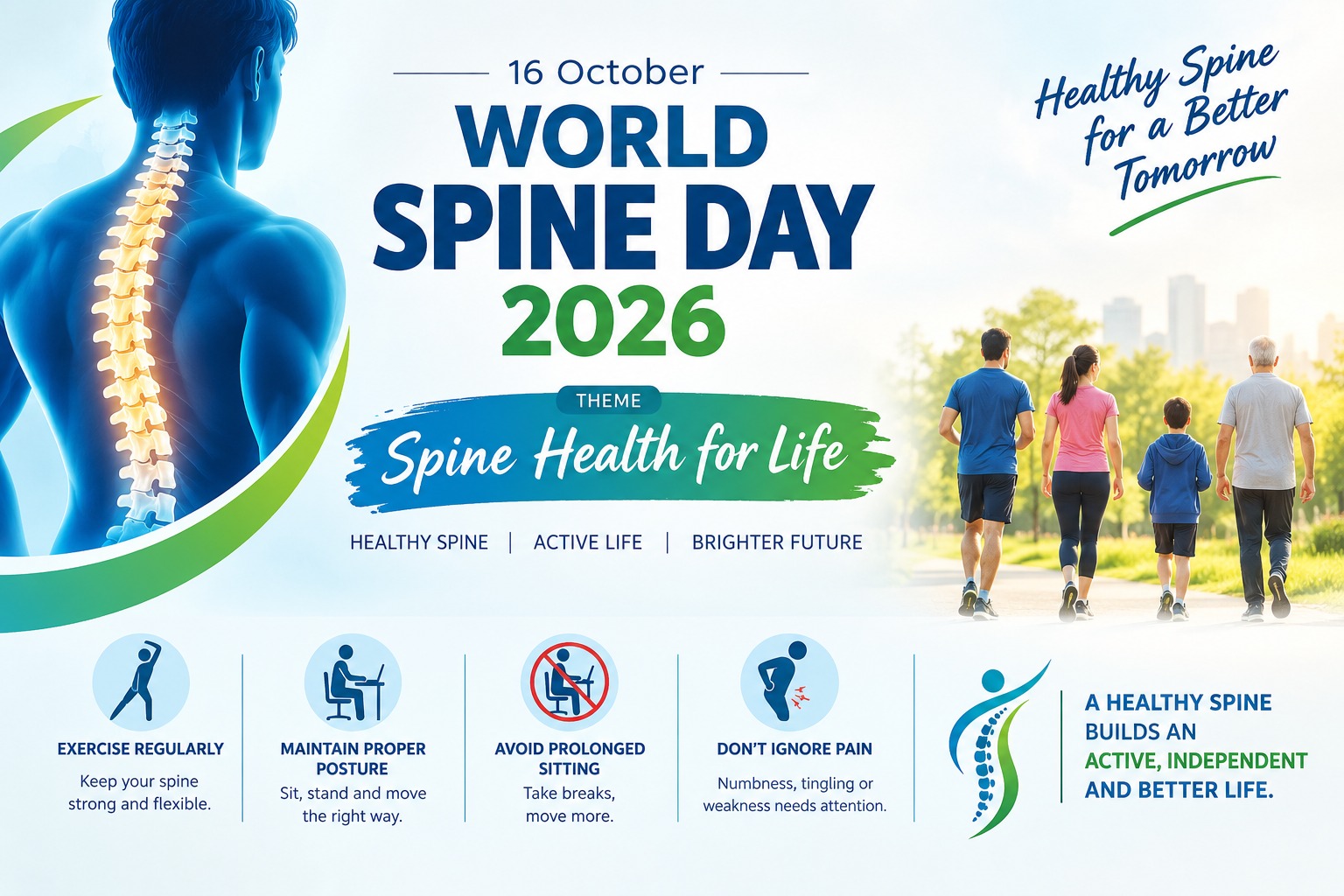
A 54-year-old woman weighing approximately 128 kg was suffering from an L5-S1 slipped disc and sciatica. After undergoing endoscopic surgery to relieve pressure on the nerves, she experienced pain relief and was able to walk independently within two weeks. Around 80% of our OPD patients find relief through medication, physiotherapy, and lifestyle modifications. Young people should focus on regular exercise, maintaining proper posture, and taking periodic breaks from prolonged sitting. Anyone experiencing persistent pain, numbness, or tingling in the legs should consult a doctor.”
Dr. Ankit Agarwal, Consultant – Neurosurgeon, Yatharth Super Speciality Hospital, Noida Extension, said,
“Changing lifestyles are a major reason why spinal problems are increasingly affecting people at a younger age. Working from home, prolonged use of mobile phones and laptops, poor posture, lack of exercise, irregular eating habits, and increasing body weight are among the key contributing factors. Approximately 70–80% of the patients visiting my OPD have spine-related problems.We are seeing lumbar spondylosis and lumbar canal stenosis in people aged 52–80 years, while cervical spondylosis and slipped discs are also being diagnosed in young adults aged 20–25 years. Pain caused by muscle spasms is often localized, whereas sciatica can cause pain radiating from the lower back or hip down to the leg and foot. Lumbar canal stenosis may lead to pain, numbness, and weakness while walking.In women, the risk of osteoporosis and fractures increases after menopause, particularly after the age of 45–50 years. Prolonged use of painkillers can cause side effects and delay an accurate diagnosis. Persistent pain, numbness, or weakness warrants medical evaluation, with X-rays or MRI scans recommended when clinically indicated. Most patients benefit from medication, physiotherapy, exercise, and proper posture. However, surgery may be necessary in cases of severe stenosis or slipped discs.In my experience, endoscopic spine surgery in appropriately selected patients involves an incision of approximately 9 mm, and around 90–95% of patients experience improvements in pain and mobility. Outcomes depend on the underlying condition and recovery. Physiotherapy after surgery is also important.Maintaining a healthy spine requires proper posture, limiting screen time, exercising regularly, managing body weight, and avoiding prolonged uninterrupted sitting. If calcium or vitamin D deficiency is suspected, appropriate testing and supplements should be considered under medical supervision. Neck pain, back pain, or sciatica should not be ignored. Timely evaluation and appropriate treatment can help reduce the risk of serious complications.”
According to Dr. Arun Sharma, Senior Consultant and HOD – Neurosurgery, Yatharth Hospital, Noida 110, poor posture, prolonged use of mobile phones and laptops, lack of physical activity, and increasing body weight are major contributors to spinal problems. The hospital receives approximately five patients aged 40–50 years every day with complaints related to neck pain, back pain, and spinal disorders.
Recently, a 50-year-old woman underwent complex spinal surgery. She had disc problems at multiple levels of the spine, instability at two joints, and spinal deformity. Her condition was so severe that walking even 5–6 metres was difficult. During surgery, the spine was realigned and pressure on the affected nerves was relieved. Following rehabilitation, she began climbing stairs within just 15 days. She is now able to perform her daily activities independently and walk in the park.
Dr. Sharma explained that most spinal conditions can be managed with medication, physiotherapy, exercise, and lifestyle modifications. However, surgery may be required when there is severe nerve compression or when other treatments fail to provide adequate relief. He advised people to exercise regularly, maintain proper posture, avoid sitting continuously for long periods, and never ignore symptoms such as pain, numbness, or weakness.
Experts emphasize that small changes in everyday habits are essential for maintaining spinal health. Taking regular breaks during work, avoiding excessive neck bending while using mobile phones and laptops, engaging in regular physical activity, and maintaining a healthy weight can help reduce unnecessary stress on the spine.
If neck or back pain persists, begins to radiate down the legs, or is accompanied by numbness or weakness, individuals should consult a doctor rather than self-medicating with painkillers. Timely evaluation and appropriate treatment can improve the chances of pain relief and help patients regain their ability to perform everyday activities.