
Pic Credit: Pexel
India’s festive calendar is bringing more than lights, celebrations and shopping lists this year. It is also putting the country’s automobile industry into high gear.
As families begin planning major purchases around Navratri, Dussehra, Dhanteras and Diwali, carmakers are preparing for a familiar seasonal surge. But this time, the challenge is not simply attracting customers with new models or festive offers. It is making sure the cars people want are actually available when they are ready to buy.
Strong bookings across leading manufacturers have pushed companies to rethink production schedules, dealer inventories and logistics ahead of the crucial selling period.
From festive excitement to showroom demand
For many Indian households, buying a car during the festive season carries a sense of occasion. It can mark a new beginning, a family milestone or simply the satisfaction of upgrading to a newer vehicle.
That emotional connection has made the festive period one of the most important windows for automobile retailers.
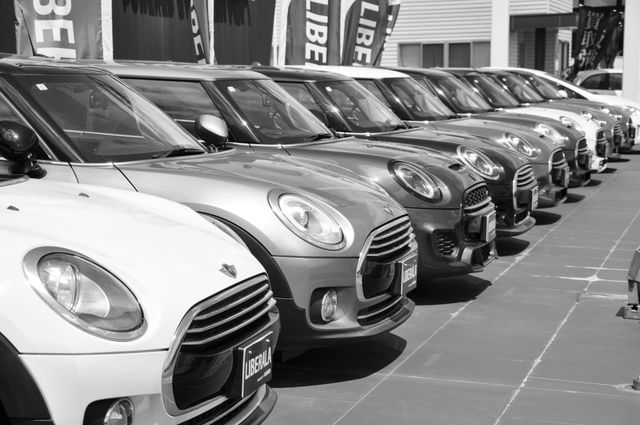
But a customer who walks into a showroom with a clear choice may not want to wait several weeks for delivery. This is where inventory has become a critical part of the industry's festive strategy.
Automakers are therefore working to ensure that popular models move smoothly from factories to dealerships and, ultimately, into customers' hands.
Maruti Suzuki prepares for a large booking pipeline
Maruti Suzuki India is heading into the season with around 2.2 lakh pending bookings, highlighting the scale of consumer interest.
The company has also expanded its manufacturing capacity by commissioning two new production lines, adding around 5 lakh units of capacity.
Rather than simply maximising output, the company is gradually ramping up production and adjusting supplies across different models. The objective is to prevent waiting periods for individual vehicles from becoming excessively long as festive demand accelerates.
For buyers, that could translate into greater availability and potentially quicker deliveries across popular models.
Hyundai puts the focus on showroom readiness
Hyundai Motor India is taking a similar approach, with dealer inventory built up to approximately four to five weeks.
The strategy is designed to give dealerships enough stock to respond to customers while continuing to clear existing bookings.
Beyond manufacturing, logistics has become equally important. A vehicle may be ready at the factory, but delays in transportation or distribution can still affect the customer's delivery date.
By strengthening inventory and streamlining logistics, Hyundai is aiming to keep the retail experience smoother during the busiest weeks of the year.
Mahindra bets on SUVs and EVs
The changing preferences of Indian car buyers are also influencing how manufacturers prepare for the festive season.
Mahindra & Mahindra has increased its SUV and electric vehicle manufacturing capacity to around 68,000 units a month.
The move reflects the continuing popularity of SUVs, alongside growing interest in electric mobility.
Higher production capacity gives manufacturers more flexibility when demand shifts quickly between models. It can also help reduce waiting periods for vehicles that attract particularly strong bookings.
Why inventory matters more than ever
The automobile business has become increasingly sensitive to the balance between demand and supply.
Too little inventory can mean disappointed customers, longer waiting periods and missed festive sales. Too much inventory, meanwhile, can tie up capital and increase pressure on dealerships.
The sweet spot is therefore not simply having more cars. It is having the right cars in the right markets at the right time.
That requires manufacturers to closely monitor bookings, dealership requirements, production schedules, component supplies and transportation networks.
The festive season effectively becomes a real-world stress test for the entire automotive supply chain.
A changing Indian car market
The festive buying season also offers a window into changing consumer preferences.
SUVs have become increasingly prominent in the passenger vehicle market, while electric vehicles are gradually becoming part of mainstream purchase conversations. Buyers are also becoming more informed, comparing technology, safety features, financing costs and ownership expenses before making a decision.
For automakers, this means festive success depends on more than attractive discounts. Product availability, technology, after-sales support and delivery timelines can all influence the final purchase decision.
The festive opportunity for dealers
Dealerships are likely to be among the biggest beneficiaries if strong bookings translate into actual deliveries.
The festive period brings higher showroom footfall and creates opportunities for dealers to introduce customers to different variants, accessories, financing packages and exchange offers.
But it also brings pressure. A sudden increase in demand requires dealerships to manage inventory efficiently while maintaining customer service standards.
A smooth delivery experience can be just as important as the initial sale, particularly when customers are making a major purchase during an emotionally significant time of year.
More than just a seasonal sales spike
India's festive automobile rush is often viewed simply through sales numbers. Yet the story is broader.
It reflects consumer confidence, changing lifestyles and the growing importance of mobility in Indian households. At the same time, it highlights how manufacturers are investing in production capacity and supply-chain capabilities to respond to a more demanding market.
This year's preparation by major automakers suggests that companies are entering the season with a clear priority: turn customer interest into actual deliveries without allowing supply constraints to get in the way.
As the festive lights begin to brighten cities across India, factories, logistics networks and dealerships will be working behind the scenes to keep pace.
For consumers, it may simply mean finding the keys to a new car under the festive lights. For the automobile industry, however, every delivery represents the successful final step in a much larger race — from booking to production, from factory to showroom, and finally from showroom to the road.